
How to Communicate Effectively with Iranian Teams: Polite Reminders, Tone, and Cultural Fit
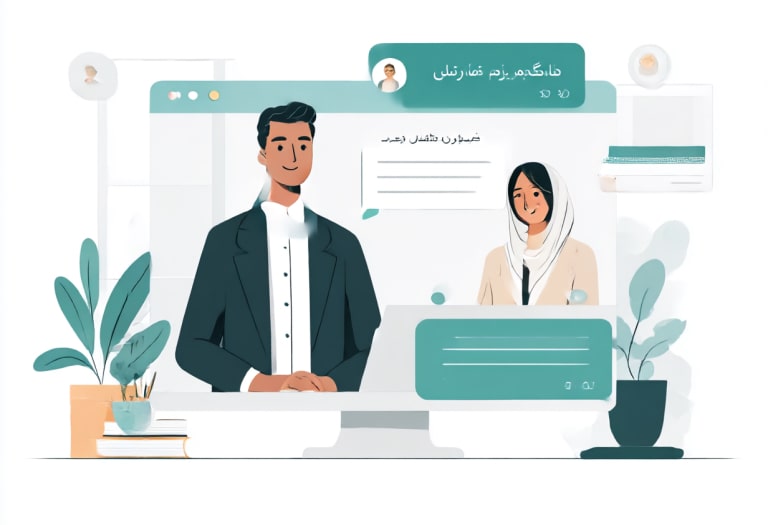
- How to Communicate Effectively with Iranian Teams: Polite Reminders, Tone, and Cultural Fit
- Why Communication with Iranian Teams Often Breaks Down
- Tone Matters More Than Translation
- Common Communication Mistakes Foreign Teams Make
- How to Send Polite Reminders Without Sounding Rude
- Before & After Example: Western vs Local-Friendly Style
- Practical Tips for Communicating with Iranian Teams
- How Team Communication Assistant Makes This Easy
- Final Thoughts
- One Comment
- Leave A Comment Cancel reply
Working with Iranian teams can be productive, efficient, and long-term—if communication is handled the right way. But when foreign managers use Western-style messaging, even with good intentions, small tone differences can lead to tension, delays, or misunderstandings.
You don’t need to speak Persian to lead or collaborate with Iranian colleagues. But you do need to adapt your tone, word choice, and communication style to match cultural expectations. This is especially true when sending reminders, giving feedback, or asking for updates.
This guide breaks down the most common challenges international teams face when communicating with Iranian professionals—and how to fix them without overthinking every sentence.
Why Communication with Iranian Teams Often Breaks Down
Even when both sides speak English, messaging style can cause friction. Here are the main reasons:
1. Tone is taken seriously.
Direct instructions or blunt reminders, common in Western workplaces, can sound rude or dismissive in Iranian culture.
2. Delayed responses don’t always mean resistance.
Silence may reflect thoughtful consideration, hierarchy sensitivity, or avoidance of conflict—not refusal.
3. Feedback norms differ.
What feels like “straightforward comments” in the U.S. or Europe may come across as criticism or disrespect.
4. Digital platforms influence interpretation.
WhatsApp, email, and Telegram each carry different expectations in Iran—while Slack-style brevity can seem cold.
When communication feels uncomfortable, people withdraw or delay—not because of incompetence, but because of cultural tone mismatch.
Tone Matters More Than Translation
You don’t need perfect grammar—you need the right tone. Here’s how messages are often interpreted differently than intended:
| Western Intention | Iranian Interpretation |
|---|---|
| “Please send me the file today.” | Sounds like a demand, not a request. |
| “Why is this not done yet?” | Feels accusatory or confrontational. |
| “Can you update me ASAP?” | May be seen as pressure without context. |
| “We need a quick answer.” | Implies urgency without respect. |
In Iran, softening the tone slightly builds more cooperation. For example:
✅ Instead of:
“Send the report by tonight.”
Use:
“Could you please share the updated report by tonight so we can move forward smoothly?”
It’s a subtle shift—but it changes how seriously and positively people respond.
Common Communication Mistakes Foreign Teams Make
Here are the top problems international managers and colleagues run into when messaging Iranian professionals:
❌ Mistake 1: Being too direct when reminding about tasks
A message like “Any update?” may feel abrupt or accusatory.
❌ Mistake 2: Giving feedback without softening language
Phrases like “That doesn’t work” or “This needs to change” can trigger frustration or demotivation.
❌ Mistake 3: Assuming lack of response is avoidance
Silence may reflect seeking approval, drafting carefully, or working on it already.
❌ Mistake 4: Forgetting hierarchy sensitivity
In Iran, employees often expect corrective messages to be respectful and non-confrontational.
❌ Mistake 5: Copying Western Slack-style tone
Short, direct messages can feel too cold or commanding when not culturally adapted.
How to Send Polite Reminders Without Sounding Rude
If you’re trying to follow up, request progress, or ask for clarification, your tone can determine whether things move forward—or stall.
Here are tone-adjusted approaches that work better in Iranian contexts:
✅ When asking for updates
Instead of: “What’s the status?”
Use:
“Hi, just checking in—do you have any updates on this so we can stay on track?”
✅ When the task is late
Instead of: “You were supposed to send this yesterday.”
Use:
“Let me know if you need anything to finalize this—I’m hoping to wrap it up soon.”
✅ When requesting urgency
Instead of: “I need this ASAP.”
Use:
“If it’s possible to prioritize this today, it would help us move ahead without delays.”
✅ When giving constructive feedback
Instead of: “This isn’t correct.”
Use:
“Thanks for the work on this—there are a couple of things we can adjust to get it where it needs to be.”
Before & After Example: Western vs Local-Friendly Style
❌ Original Message:
“You didn’t send the presentation. I need it now.”
✅ Adapted Message:
“Hi Sara, just following up on the presentation—please send it when it’s ready so I can review it today. Let me know if anything is missing.”
The core request is unchanged—but the second version encourages action instead of resistance.
Practical Tips for Communicating with Iranian Teams
Here are small shifts that make a big impact:
1. Add soft starters
“Hi,” “Hope you’re well,” or “Just checking in” helps set the tone.
2. Use collaborative language
“We,” “together,” and “move forward” feel more respectful than “I need” or “You must.”
3. Offer help before pressure
It signals partnership rather than command.
4. Be careful with message length
Too short = rude. Too long = confusing. Moderate is best.
5. Remember weekends differ
Iran’s weekend is Thursday–Friday, not Saturday–Sunday.
6. Avoid sarcasm or humor in written messages
It rarely translates well.
How Team Communication Assistant Makes This Easy
Even when you understand the cultural tone, writing perfect messages every time can still feel slow or stressful—especially when managing multiple people or projects.
That’s exactly why Team Communication Assistant exists.
With just a short prompt (like “remind designer about the logo revision politely” or “ask for project update without sounding pushy”), it generates messages that are:
✅ Culturally appropriate
✅ Polite but clear
✅ Adapted to the situation
✅ In English or localized tone
✅ Ready to send by email, chat, or WhatsApp
No guessing. No rewriting drafts. No worrying about sounding rude or weak.
Whether you’re reminding someone of a delay, giving feedback, or requesting a revision, the tool adjusts tone instantly—so you don’t have to think twice.
Final Thoughts
Clear communication doesn’t come from perfect English—it comes from using the right tone for the right culture. When you’re working with Iranian teams, small language adjustments lead to faster replies, smoother collaboration, and fewer misunderstandings.
If you’re tired of rewriting messages or worrying about tone, there’s no need to overthink it.
It’s fast, culturally accurate, and built exactly for these challenges—so your team can move forward without friction.
One Comment
Leave A Comment
You must be logged in to post a comment.
Wohh exactly what I was searching for, appreciate it for posting.