
Where to Find Talent in Iran: The Ultimate Guide to Local Recruitment Platforms
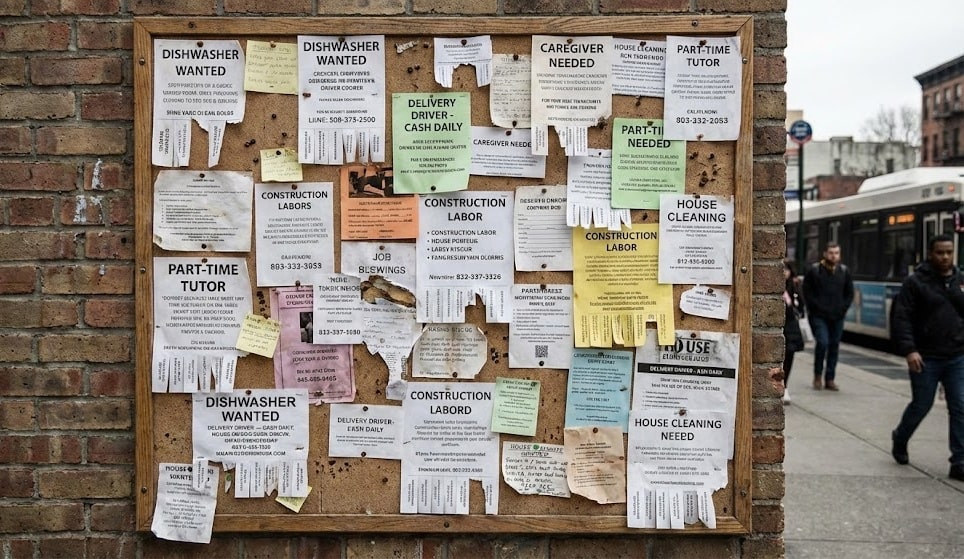
While LinkedIn is used in Iran (especially by senior professionals and tech workers), it does not cover the entire market. To tap into the full depth of Iran’s workforce—from affordable junior developers to skilled tradespeople—you need to use local platforms.
The Iranian recruitment ecosystem is fragmented. Choosing the wrong platform means getting zero applications or being flooded with unqualified ones.
The Decision Framework: Which Platform Fits Your Need?
1. Who are you hiring?
-
White-Collar / Office Roles: Go to Jobinja or JobVision. These are the “Indeeds” or “Glassdoors” of Iran. They have the highest traffic for marketing, sales, admin, and operations roles.
-
Developers / IT: Go to Quera Magnet. This is a community-first platform for coders. It includes skill assessments and contests, making it the hub for serious engineering talent.
-
Senior Executives / Expats: Go to IranTalent. It caters to the top 10% of the workforce and multinational corporations (MNCs).
-
Blue-Collar / Service Staff: Go to Divar or Sheypoor. These are classifieds sites (like Craigslist), perfect for drivers, shop assistants, or manual labor.
2. Do you need an English Interface?
-
Yes (I don’t speak Farsi): Your best bet is IranTalent. It is designed for international companies and has a native English UI.
-
No (I have local help): Jobinja and JobVision have much larger candidate pools but are Farsi-first. You will need Google Translate or a local assistant to navigate the dashboard.
3. Are you hiring for “Remote” work?
-
Yes: Jobinja is the leader here. They have a specific “Remote” filter that candidates actively use.
-
Alternative: Ponisha (Freelance platform) is inherently remote-friendly for project-based work.
4. Quantity vs. Quality?
-
I want vetted pros: IranTalent or Quera (for tech). You get fewer applications, but higher relevance.
-
I want volume: Jobinja or Divar. Be prepared to sift through hundreds of CVs. Divar, in particular, requires a strong filtering process as it has a low barrier to entry for applicants.
5. Are you hiring Full-Time or Freelance/Project-based?
-
Full-Time: Stick to the main job boards (Jobinja, JobVision).
-
Project/One-off: Use Ponisha, Karlancer, or Parscoders. These are the “Upworks” of Iran. You post a project, set a budget, and freelancers bid on it. It’s safer for first-time employers because payment is often escrowed (though usually in Rials).
6. Do you care about Employer Branding?
-
Yes: Karboom is unique. It focuses on company culture, employer branding pages, and career assessments. If you want to showcase your company as a “Cool Place to Work,” this is a great add-on.
7. Is this a Government or Mass-Hiring role?
-
Yes: IranEstekhdam and e-estekhdam. These are aggregators often used for state exams, bank exams, and large-scale institutional hiring. They are less relevant for agile tech startups.
8. What about ATS and Screening Tools?
-
I need help filtering: JobVision and Karboom offer more robust ATS (Applicant Tracking System) features and pre-employment testing (psychometric tests, etc.) compared to the basic email-inbox style of classifieds.
9. How do you pay the platform fees?
-
The Hurdle: Most platforms require payment via the Iranian banking network (Shetab). International credit cards (Visa/Mastercard) do not work.
-
The Fix: You need a local partner, an intermediary agency, or a “Concierge” service to pay the listing fee on your behalf.
10. What is the winning strategy?
-
The “Combo” Play: For a critical role, don’t rely on just one.
-
Tech Role: Quera (for skills) + LinkedIn (for passive candidates).
-
Ops Role: Jobinja (for volume) + JobVision (for backup).
-
The Platform “Menu”: A Quick Reference
Here is the breakdown of the major players mentioned above.
A) The “Big Three” (General White-Collar)
-
Jobinja (جابینجا): The most popular modern job board. High volume, clean interface, strong “Remote” category.
-
JobVision (جابویژن): The main competitor to Jobinja. Strong on assessment tools and data-driven matching.
-
IranTalent (ایرانتلنت): The premium choice. Best for English speakers, senior management, and identifying candidates with experience in multinational environments.
B) The Tech Specialist
-
Quera Magnet (کوئرا مگنت): If you are hiring developers, start here. It’s a community of 200k+ developers. You can filter by specific stacks (Python, Django, React) and view their coding challenge scores.
C) The Freelance Economy (The “Upwork” Alternatives)
-
Ponisha (پونیشا): The market leader for freelancing. Good for design, translation, and basic coding projects.
-
Karlancer (کارلنسر): Strong contender for remote/project work.
-
Parscoders (پارسکدرز): The veteran platform. Good for academic projects, typing, and lower-level coding tasks.
D) The Classifieds (Blue-Collar / Local Services)
-
Divar (دیوار): The “Craigslist” of Iran. Huge traffic. Good for hiring a driver, a cleaner, or a shop clerk in a specific neighborhood.
-
Sheypoor (شیپور): Similar to Divar. Good for local service jobs.
E) The Aggregators (Gov / Traditional)
-
IranEstekhdam & e-estekhdam: Massive portals for government notices and bank exams. Generally not user-friendly for foreign private sector employers.
Summary: Where should I post today?
-
-
Hiring a Senior Dev? → Quera + LinkedIn.
-
Hiring a Remote Marketing Manager? → Jobinja.
-
Hiring a Local Driver? → Divar.
-
Hiring an English-speaking Executive? → IranTalent.
-
⚠️ The Reality Check: Beyond the Platform
Finding the candidate is Step 1. The real challenge for international employers is Step 2: Execution.
-
Payment is the Bottleneck: You cannot simply wire USD/EUR to their bank account. You will need to use crypto (USDT), exchange houses (Sarafi), or a third-party payroll provider.
-
Contracts & Compliance: A freelancer hired on Ponisha has no legal bond to your US/EU entity. If you want IP protection, you need a specific contract that acknowledges the jurisdiction gap.
-
The “VPN” Culture: Remember that your Iranian team will likely be accessing your tools (Slack, Trello) via VPNs. Ensure your company’s security settings don’t auto-block Iranian IPs, or provide them with a secure access gateway.