
Who Owns Cîroc: Did Diddy Lose His Vodka Empire to the Corporate Giants?
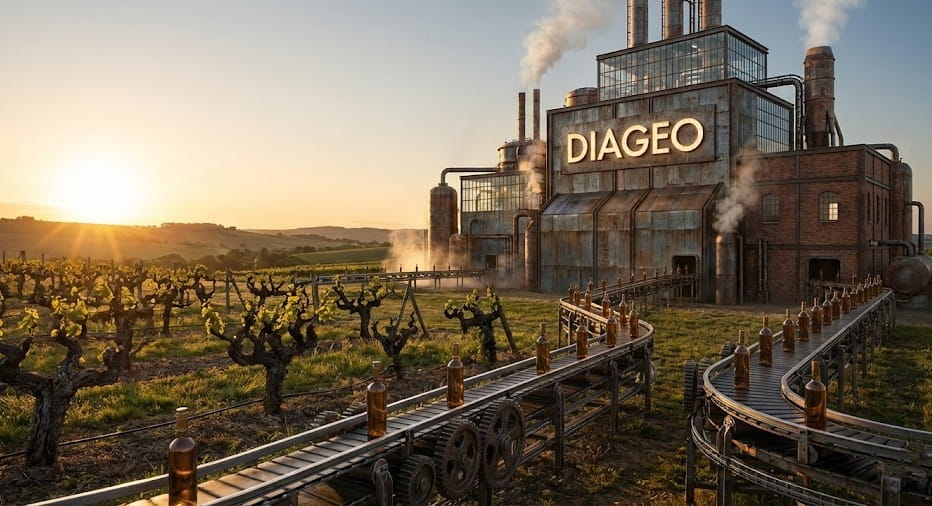
When I see a bottle of Cîroc on the top shelf of a club, I don’t just see ultra-premium vodka made from French grapes. I see the remnants of one of the most successful—and disastrous—partnerships in hip-hop history.
For nearly 15 years, the world assumed Sean “Diddy” Combs owned Cîroc. He marketed it like he birthed it. But as a business analyst watching the beverage industry, I knew the reality was far more complex. The events of 2023 and 2024 ripped the curtain back, revealing a war between a celebrity mogul and a corporate titan.
If you are Googling “Who owns Cîroc,” you are likely confused by the lawsuits, the allegations, and the settlement.
In this article, I am going to audit the ownership papers of the “Snap Frost” vodka, explain exactly what happened to Diddy’s stake, and predict if this brand can survive without its famous hype man in 2025 and 2026.
Who Actually Owns Cîroc in 2025?
Let’s cut to the chase. Sean “Diddy” Combs does not own Cîroc. Not anymore, and legally, he never owned the brand outright.
Current Owner: Diageo
In my view, Diageo is the “final boss” of the alcohol world. They are a British multinational behemoth that owns giants like Smirnoff, Guinness, and Johnnie Walker.
Here is the breakdown of the current (and past) power structure:
| Role | The Entity | The Relationship Status |
|---|---|---|
| The Owner (Parent) | Diageo | 100% Ownership. They hold the trademark, distribution rights, and profits. |
| The Creator | Jean-Sébastien Robicquet | The master distiller from Maison Villevert. He invented the grape-based formula. He produces it, but Diageo owns the brand. |
| The Former Partner | Sean “Diddy” Combs | Terminated. He had a 50/50 profit-sharing deal for marketing, but no equity in the parent company. He has been completely removed. |
The Marketing Playbook: White Parties & Flavor Drops
Before the fall, the rise was spectacular. To understand the value Diageo is trying to salvage, you have to look at the “Lifestyle Engineering” Diddy performed.
He didn’t just buy ads; he created a universe.
- The “White Parties”: His annual Hamptons parties became the Super Bowl of social climbing. If you weren’t drinking Cîroc, you weren’t elite. This associated the brand with pure exclusivity.
- The Flavor Trap: Cîroc pioneered the “Flavor Drop” model (Peach, Red Berry, Summer Watermelon). It worked brilliantly to capture the urban and party demographic.
- The Downside: In my opinion, this strategy eventually hurt the brand. By becoming the “flavored vodka,” it lost the respect of martini drinkers who stuck with Grey Goose or Belvedere. It became a “sugary club drink” rather than a serious spirit.
Was the “50/50 Deal” the Biggest Myth in Liquor History?
We have to ask: Why did everyone think Diddy owned it?
Because he was a marketing genius. In 2007, Cîroc was a struggling brand (ranked 50th in vodkas). Diageo made a deal with Diddy: “You sell it, we split the profits.”
I believe this was the blueprint for modern celebrity liquor deals (like Ryan Reynolds or George Clooney), but with a fatal flaw—Diddy didn’t have control.
| Perception | Reality | My Take |
|---|---|---|
| “Diddy owns the factory.” | Diageo owns the supply chain. | Diddy was a glorified (but very expensive) brand ambassador. |
| “It’s a Black-owned business.” | It is a British-owned PLC. | Diddy sued Diageo for racism, claiming they pigeonholed Cîroc as an “urban brand.” |
| “He can’t be fired.” | He was erased. | After the sexual assault allegations and the lawsuit against Diageo, they bought him out and severed ties. |
The Timeline of War: Diddy vs. Diageo (2023-2024)
This wasn’t just a business disagreement; it was a “scorched earth” battle that exposed the ugly machinery behind celebrity endorsements. To understand the collapse, we need to trace the timeline of the explosion.
Phase 1: The Accusation (May 2023) Diddy fired the first shot. He sued Diageo, alleging racial discrimination.
- His Argument: He claimed Diageo treated Cîroc and DeLeón (his tequila brand) as “Black brands” and limited their distribution to urban neighborhoods, while prioritizing “white brands” like George Clooney’s Casamigos.
- The “Watermelon” Incident: He famously alleged Diageo released a watermelon flavor for Cîroc as a racist trope, despite his objections.
Phase 2: The Counter-Punch (June 2023) Diageo didn’t settle quietly; they released the receipts. In a brutal court filing, they exposed the financial reality of the partnership.
- The “Skin in the Game” Myth: Diageo revealed that while they had invested over $100 million into the joint venture, Diddy had contributed only $1,000 in cash.
- The “Extortion” Claim: Diageo accused Diddy of threatening to weaponize racism allegations to force them to write him a check, effectively calling his bluff.
Phase 3: The Collapse (Late 2023) While the corporate war raged, Diddy’s personal life imploded. Multiple lawsuits alleging sexual assault and abuse (starting with Cassie Ventura) surfaced.
- The Impact: Diddy lost his moral high ground instantly. Diageo could no longer be seen in business with him, regardless of the contract.
Phase 4: The Settlement (January 2024)
In my opinion, Diageo won a total victory. Diddy withdrew all his allegations (admitting they were baseless) and walked away with no ongoing ownership.
The Dark Truth Revealed: This lawsuit showed that the “Partnership” was always an illusion. Diddy provided the cool factor, but Diageo held the leash. The moment the celebrity became a liability rather than an asset, the corporate machine crushed him. It serves as a brutal lesson for creators: Profit sharing is not Equity. Unless your name is on the deed, you are just an employee with a better office.
What is the Forecast for Cîroc in 2025-2026?
Now that the dust has settled and Diddy is gone, the brand is in a precarious position.
I predict a “Rebranding Crisis” followed by a “Luxury Pivot” in 2025-2026.
Why? Because for 15 years, Cîroc was Diddy. Without him, it’s just grape vodka. Diageo has to strip away the “Party Rapper” image and pivot to “French Luxury.”
| Strategic Move | 2025-2026 Forecast | The “Why” Behind the Prediction |
|---|---|---|
| New Ambassadors | Female-Led Campaign | I suspect Diageo will sign a female pop star or actress (like Dua Lipa or Zendaya) to distance the brand from Diddy’s toxic masculinity scandals. |
| Revenue Dip | -10% to -15% | Short-term pain. The “Club Culture” that Diddy built will abandon the brand out of loyalty or apathy. |
| Product Innovation | RTD (Ready-to-Drink) | To compete with High Noon, I predict Cîroc will aggressively push canned spritzes to capture the Gen Z market. |
| Brand Valuation | Stabilizing | Diageo has the muscle to force Cîroc into bars, even if it’s no longer “cool.” |
My forecast: By 2026, Cîroc will try to look like Grey Goose. Cleaner bottles, less neon flavors, and zero mention of the Bad Boy era.
The “Kanye Effect”: Why Brands Are Rethinking Celebrity Ownership
If you think this story sounds familiar, look at Adidas and Kanye West (Ye).
In my view, the Diddy/Diageo split is the alcohol industry’s version of the Yeezy collapse. Both cases reveal the fragility of renting a celebrity’s influence.
| Feature | Yeezy (Adidas) | Cîroc (Diageo) | My Take |
|---|---|---|---|
| Product Dependency | High. The shoes were Kanye’s design. | Low. The vodka is just vodka. Diddy didn’t distill it. | Diageo has an easier path to survival. They can just change the ads; Adidas had to hide the inventory. |
| The Fallout | Immediate financial cratering. | Slow cultural bleed. | Cîroc won’t die overnight, but it will lose its soul (the “cool factor”). |
The Lesson: Corporations are now realizing that giving equity or “ownership-like” control to volatile celebrities is a massive liability. I suspect we will see fewer “50/50” deals and more traditional endorsement contracts in the future.
The Category Crisis: Is Vodka Dead?
There is another layer to this ownership story that most people miss. Even if Diddy had stayed, Cîroc was facing a massive problem: Tequila took over.
I suspect Diageo isn’t fighting too hard to save Cîroc’s reputation because the “Club Vodka” era is ending.
- The Trend: Gen Z and Millennials have shifted to Tequila (Casamigos, Don Julio) and Gin.
- The Data: Vodka sales are flatlining compared to Agave spirits.
- The Implications: Owning Cîroc in 2025 isn’t as valuable as owning it in 2015. Diageo knows this. They own Casamigos (George Clooney’s brand) and Don Julio. They have already hedged their bets.
This context makes the ownership battle feel less like a war for the future and more like a fight over a depreciating asset.
The Battlefield: Cîroc vs. The Competitors
Cîroc isn’t just fighting its own reputation; it’s fighting massive competitors. How does it stack up against the other giants on the shelf?
| Brand | Parent Company | Brand Identity (The Vibe) | Strengths vs. Weaknesses |
|---|---|---|---|
| Grey Goose | Bacardi | The Classy Standard. “French Luxury” without the baggage. | Strength: Safe, universally respected. Weakness: Seen as boring by younger drinkers. |
| Tito’s | Fifth Generation | The People’s Vodka. “Handmade” in Texas. | Strength: Massive volume leader. Authentic. Weakness: Not “premium” enough for VIP bottle service. |
| Belvedere | LVMH | The Fashion Icon. Zero Sugar, Organic trend chaser. | Strength: LVMH marketing power. Weakness: Pricey, niche audience compared to Tito’s. |
| Cîroc | Diageo | The Party Starter (Formerly). | Strength: Unique grape base (smoother). Weakness: Identity crisis. Without Diddy, is it still cool? |
My Verdict: Cîroc is currently the weakest link in the premium chain. Tito’s owns the home bar, Grey Goose owns the business dinner, and Cîroc has lost the nightclub.
Conclusion: The Party Is Over, Business Continues
So, who owns Cîroc?
Financially? Diageo. Culturally? It is currently an orphan.
The brand is currently floating in limbo between its hip-hop past and a corporate future. Diddy proved that influence can build a billion-dollar brand, but Diageo proved that contracts are stronger than culture.
As we look toward 2026, the blue dot on the Cîroc bottle will remain, but the man who made it famous is history.